
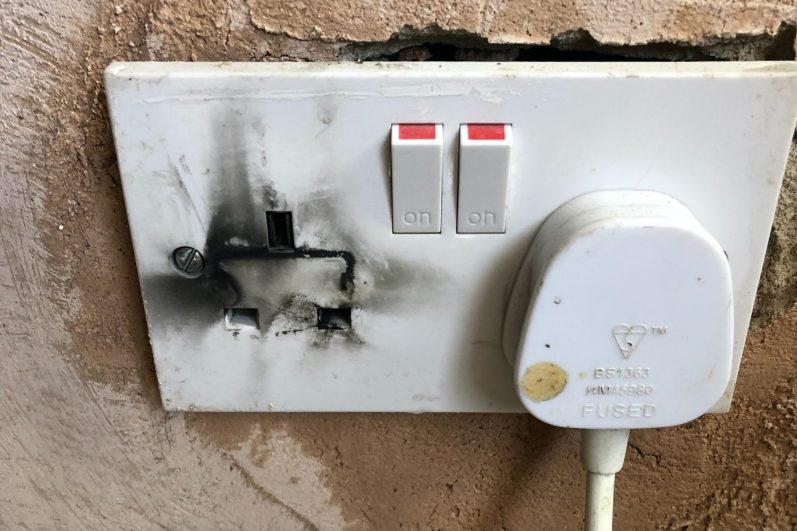
Common Causes of Burning Smell From Plug Sockets
- Loose electrical connections
- Damaged socket outlet
- Overloaded extension leads
- Faulty appliance
- Burnt wiring behind the socket
- Poor quality DIY electrical work
Burning Smell From a Plug Socket
Burning Smells From a Socket shouldn't be Ignored - they can be a sign of an electrical fault. Here's what causes them and when to call an electrician.
Our Services
Need an Electrician?
We provide fast, reliable and professional electrical services across South London & Surrey
Related Advice
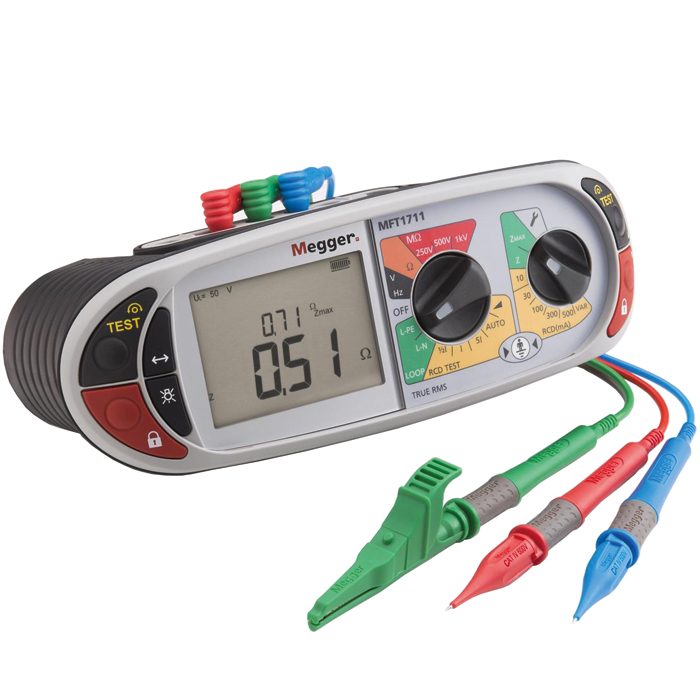
How Often Should You Have An EICR?
Read More
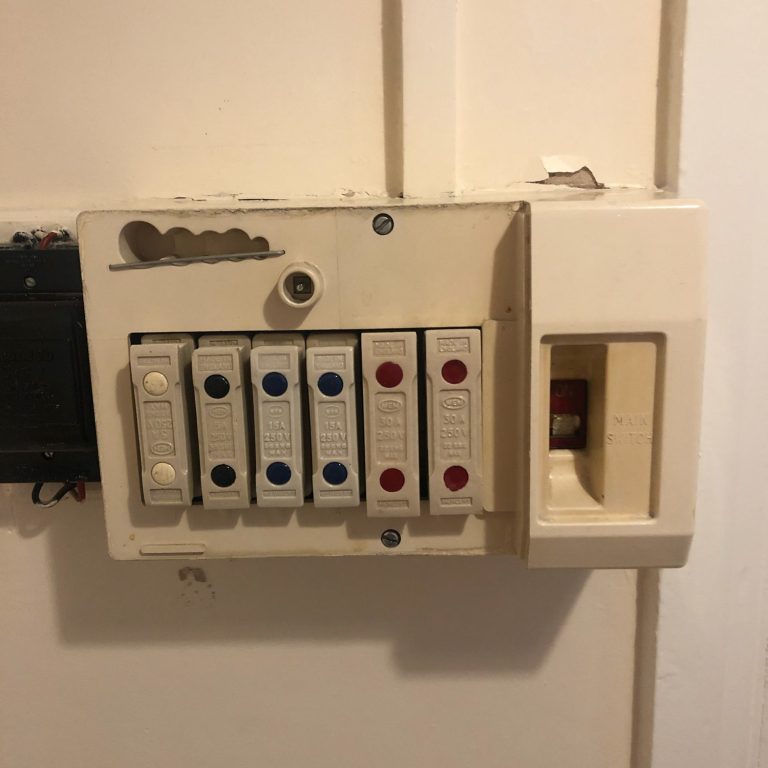
Signs Your Consumer Unit Needs Upgrading
Read More
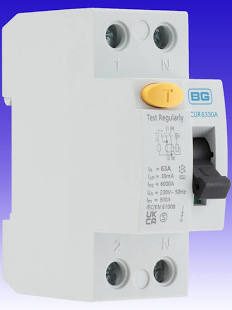
What is RCD Protection and How Does It Work?
Read More
How To Prevent Electrical Fires in the Home
Read More
Electricians Safety Tip
A burning smell is often the first warning sign of overheating electrical connections. Never ignore it, as damaged wiring can quickly develop into an electrical fire.
Need an Electrician in Croydon?
⚡ Burning smell from a socket?
⚡ Plug socket feels hot?
⚡ Consumer unit keeps tripping?
⚡ Burning plastic smell or scorch marks?
Charged Solutions provides fast, professional electrical fault finding and repairs across Croydon, Sutton, Wallington and the surrounding areas.
📞 Call today for expert advice and a free quotation.
Is The Burning Smell Dangerous?
Yes.
If you notice:
- Burning plastic smell
- Brown scorch marks
- Crackling noises
- Socket feels hot
- Smoke
- Sparking
Stop using the socket immediately and switch off the circuit if it is safe to do so.
What Should You Do?
- Unplug any appliances.
- Do not continue using the socket.
- Check if other sockets on the same circuit are affected.
- If the smell continues, isolate the circuit.
- Contact a qualified electrician.